Why Not America?
Patriotism and Jewish Identity
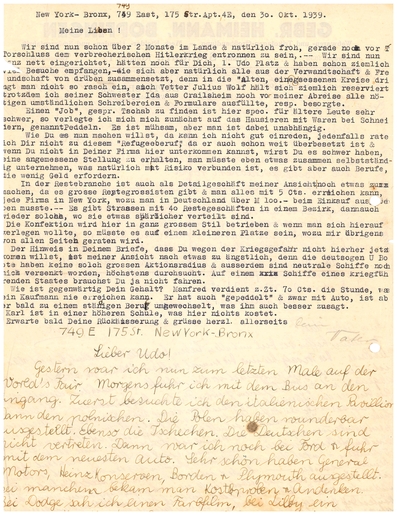
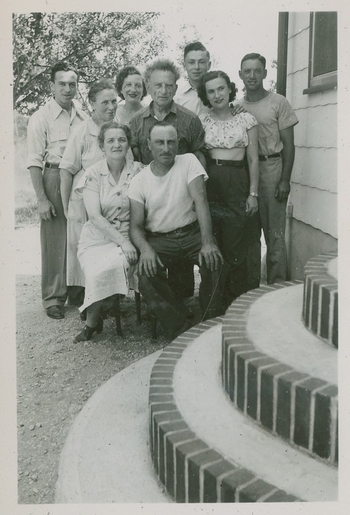
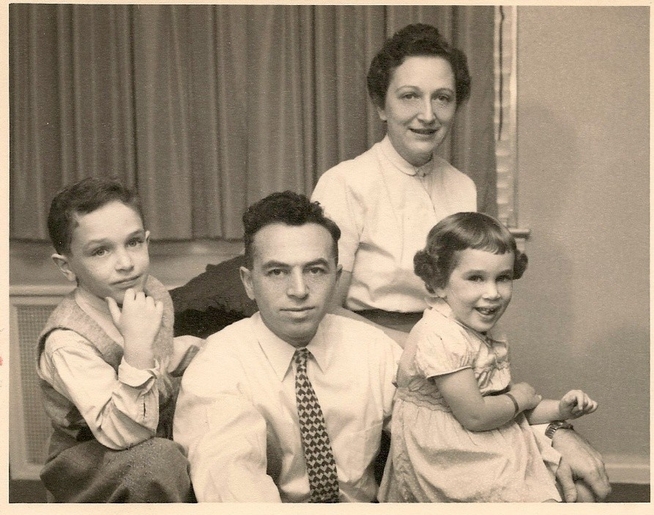
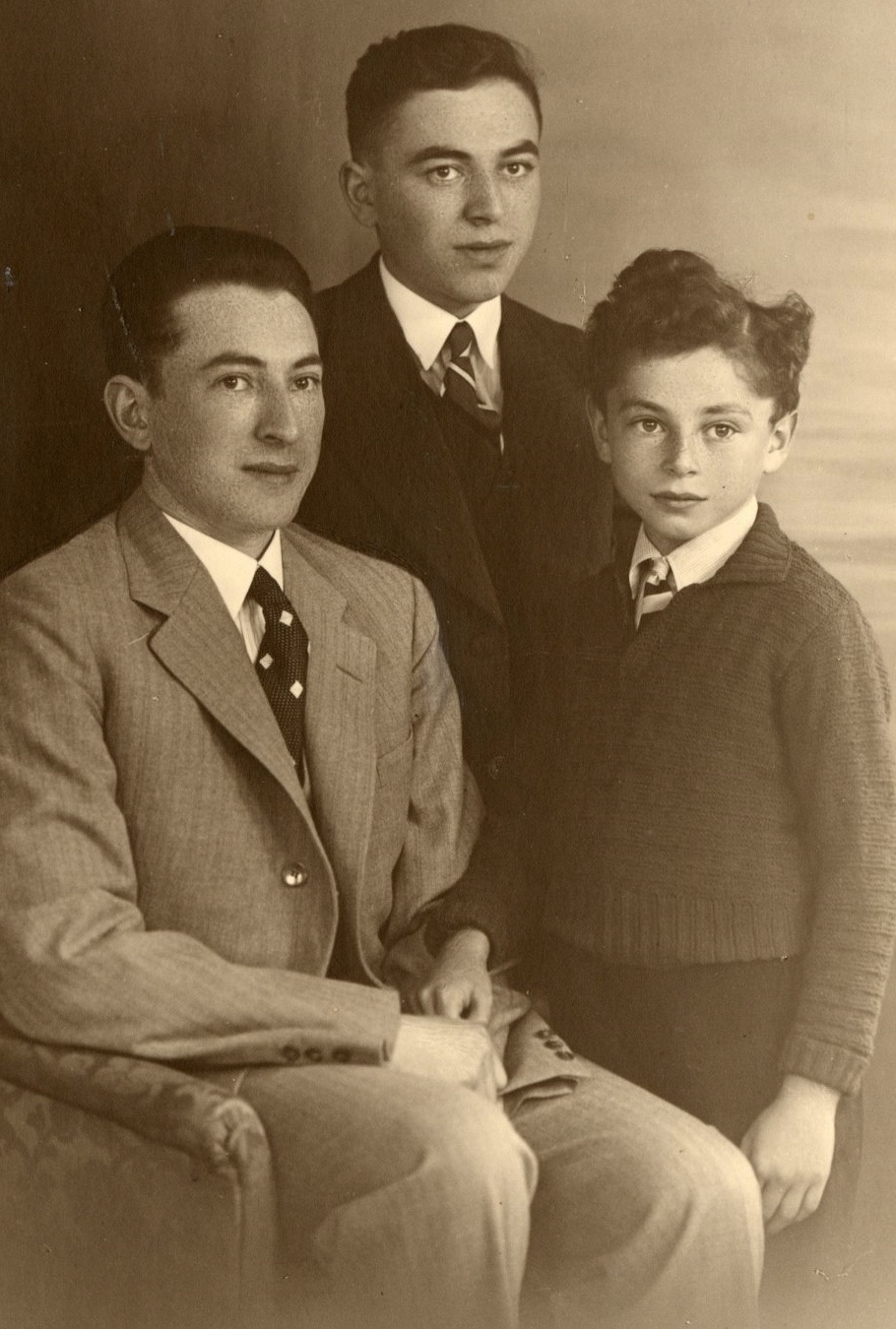
“If I nevertheless do not wish to make use of the invitation, this is mainly for the following reasons: North America seems sympathetic to me compared to Argentina only in terms of climate, but from all other economic points of view, not at all.”
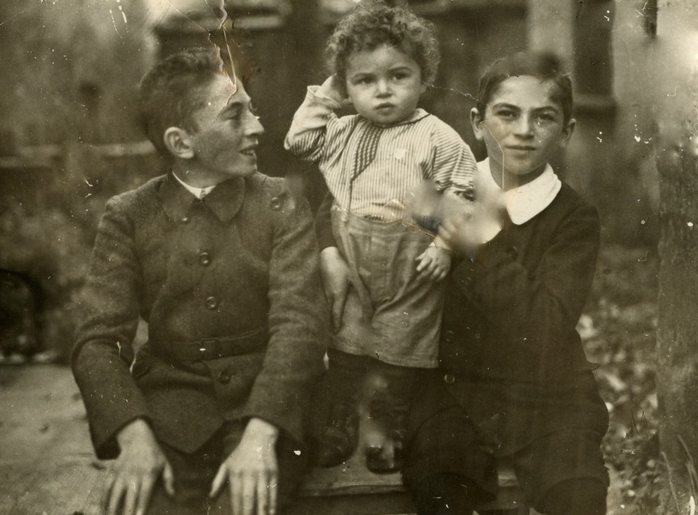
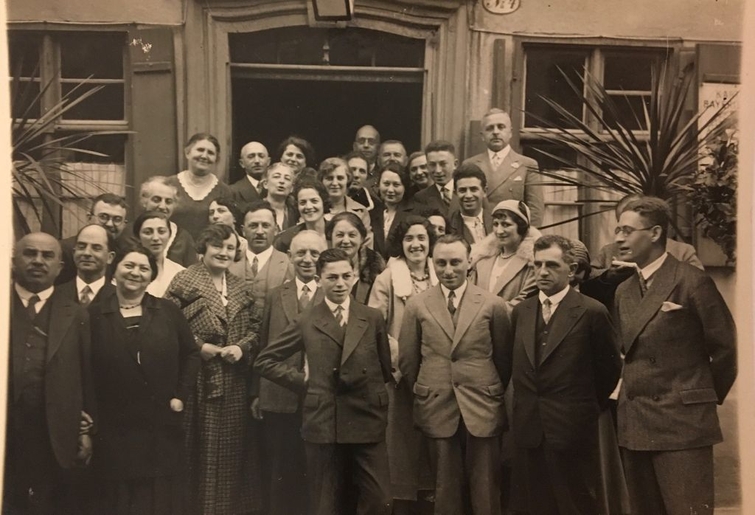
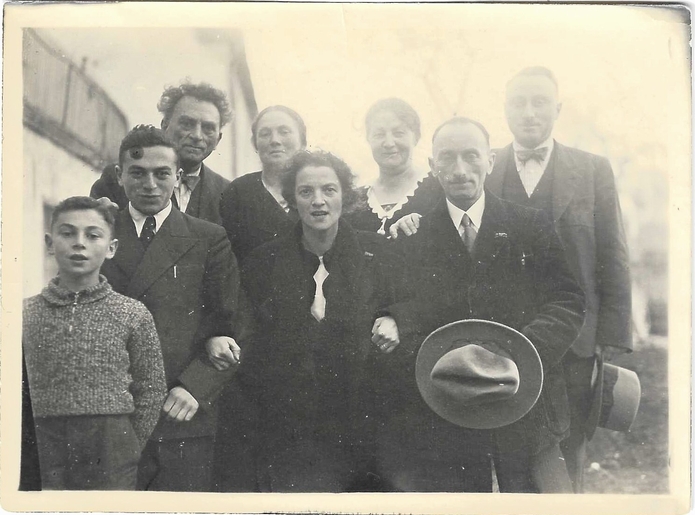
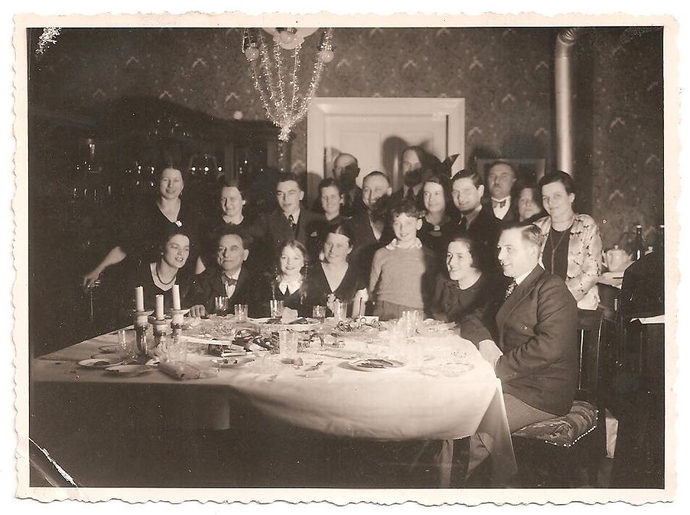
These words come from a letter Martin Udo Heiman(n) wrote from Stuttgart on September 10, 1936, at the age of twenty-three to his relatives abroad. Working in his family's textile business Martin Udo was already being confronted with a question that was becoming increasingly difficult for Jewish families in Nazi Germany: whether to leave for the United States. Writing to the Rosenfelder Family, most notably his uncle Nathan Rosenfelder, he responded to their invitation with gratitude, but also with striking certainty. He firmly rejected the prospect of emigration to North America. His letter offers a revealing glimpse into how a young German Jew in 1936 understood the prospect of emigration and weighed the economic possibilities of life abroad. The letter is preserved in the Wolffs Family from Dornum Collection at the Leo Baeck Institute Archives, together with additional family correspondence dating from 1936 to 1941. The correspondence preserved there therefore offers only a partial view of the exchange. Additional personal correspondence is preserved in the David Heimann Collection at the Leo Baeck Institute Archives and may provide further context for the family’s correspondence and migration plans during this period. For the purposes of this article, however, the surviving letter offers an important first-hand perspective on Martin Udo's views in 1936.
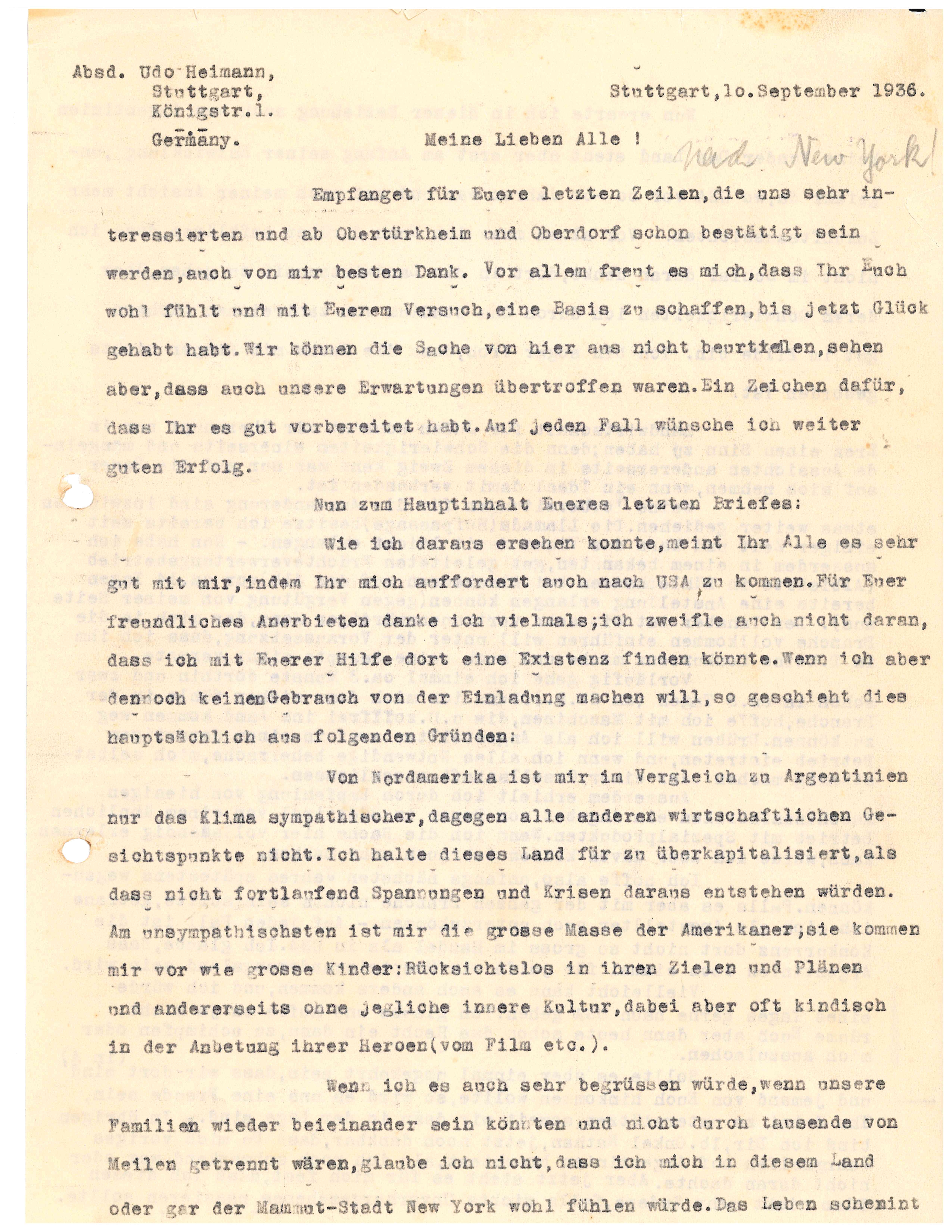
In this letter, Martin Udo made clear that his reservations concerned the United States itself rather than the prospect of emigration or the support available to him there. He expressly acknowledged that, with the help of his relatives in America, he would be able to build a life for himself. His objections instead centered on his perception of American economic, social, and cultural conditions. The United States emerged in his account as the antithesis of a bourgeois ideal that placed particular value on education, cultural refinement, and intellectual self-development. His criticism focused especially on the American economic system: “I consider this country to be too overcapitalized for continuous tensions and crises not to arise from it.” The language he uses is notable in this context. At twenty-three, Martin Udo was already working in the family’s textile business and thinking concretely about his professional future. His use of concepts such as capitalization, economic development, and social crisis thus reflects not only an engagement with contemporary economic and social thought, but also his own position as a young man considering his prospects abroad. His critique also extended to American society and popular culture. He described Americans as “big children: reckless in their goals and plans, and on the other hand entirely devoid of any inner culture, while often childish in their worship of their heroes (from the movies, etc.).” His characterization of New York as a “mammoth city” similarly conveys his ambivalent perception of American urban modernity.
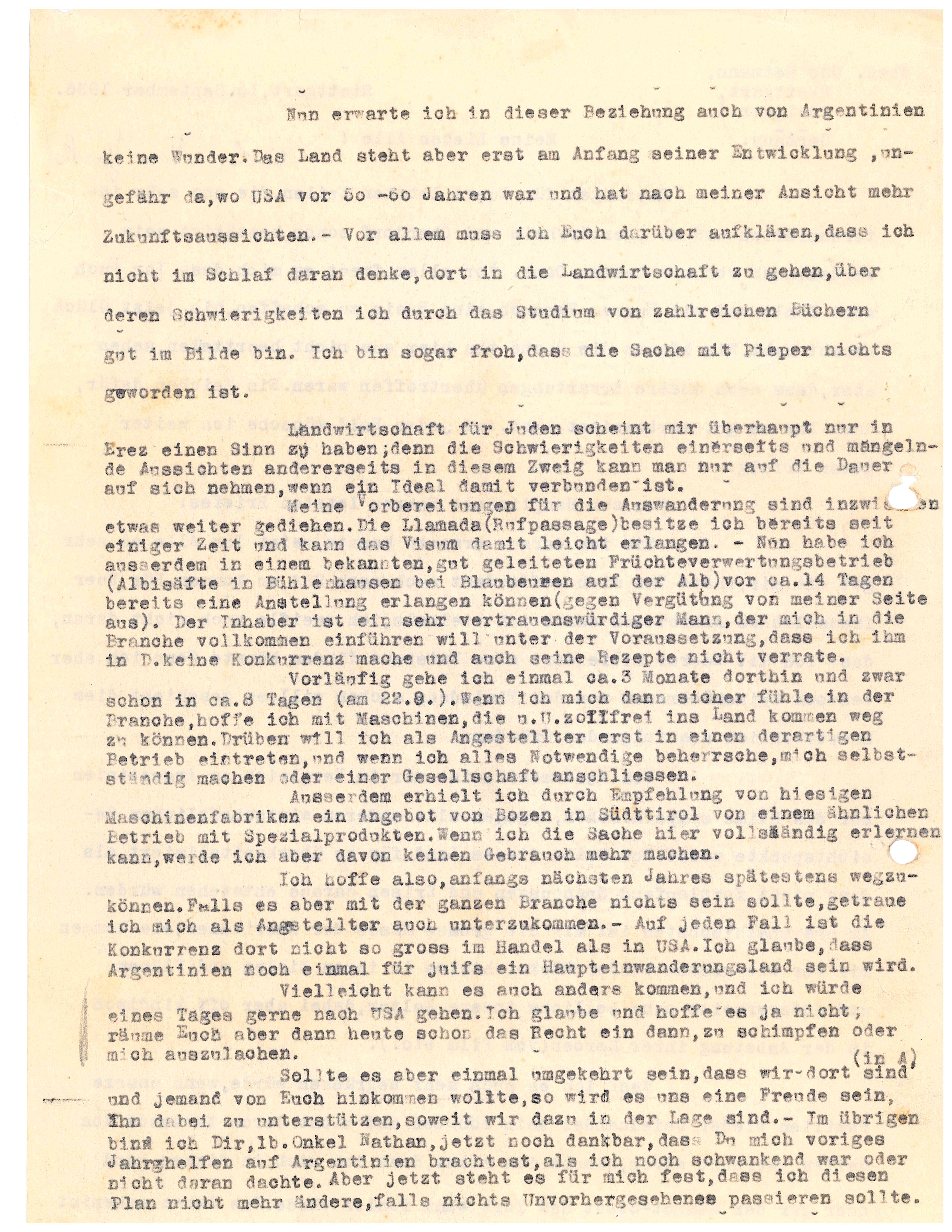
These observations reveal a view of the United States shaped by concerns about capitalism, mass culture, and what Martin Udo perceived as a lack of cultural and intellectual refinement. “To me, life there seems to be truly lacking in higher values because of the rush and the emptiness.” Yet his position remained open to revision. He acknowledged the possibility that his assessment might prove mistaken and conceded that he might eventually want to visit the United States: “Perhaps things might turn out differently, and I might one day like to go to the USA. I do not believe or hope that this will be the case; but I hereby grant you the right to scold me or laugh at me.” His remarks can be read within the broader context of European responses to American modernity, particularly contemporary concerns about commercialization, mass culture, and the rapid pace of social and economic change. At the same time, the letter demonstrates how Martin Udo's assessment of the United States was shaped by the cultural assumptions and intellectual environment of his own social milieu.
In contrast, Martin Udo's assessment of Argentina was considerably more positive. He described the country as being at an early stage of economic development: “The country is only at the beginning of its development, roughly where the U.S. was 50–60 years ago, and in my view has greater prospects for the future.” Whereas he characterized the United States as an oversaturated economy marked by intense competition, Argentina appeared to him to offer considerable scope for development, particularly for European industrial knowledge and the skills of immigrants. His optimism extended beyond his own economic prospects: he predicted that Argentina would “once again become a major country of immigration for Jews.”
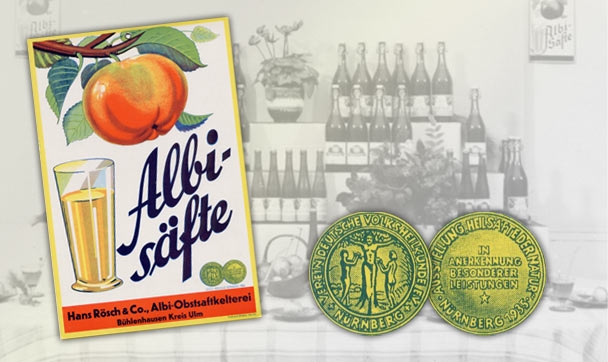
His plans for such a future were already relatively concrete. At the time, Martin Udo was working in his family's textile business, but he was preparing for a different professional path abroad. Through his transatlantic family network, he had obtained a llamada, an immigration guarantee intended to support his visa application, and had already “landed” a position at the Albisäfte fruit-juice factory near Blaubeuren in the Swabian Alb. After two weeks there, he expected a three-month training period to provide him with the skills needed to establish himself in a similar business in Argentina. He ultimately hoped to bring the necessary machinery with him – even mentioning the possibility of importing it “duty-free” – and, after initially working as an employee, establish his own company. The training was provided by an experienced entrepreneur under the condition that Martin Udo neither used his newly acquired knowledge to compete with German businesses nor disclosed trade secrets.
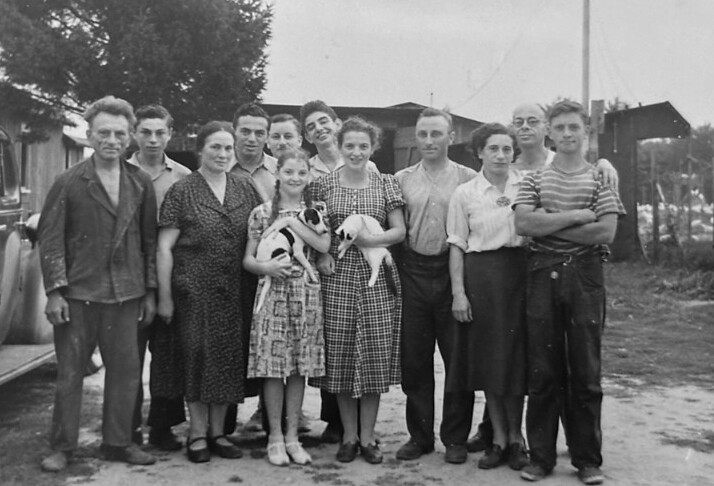
Alongside these economic considerations, Martin Udo's letter also reveals other criteria in his assessment of agricultural work. Although he had studied agriculture in depth and read numerous books on the subject, he emphatically rejected it as a possible career, writing that he “did not even think about it in his sleep” when it came to going into farming, and that he was even glad that a previous opportunity had come to nothing. He made one exception: “To me, farming for Jews seems to make sense only in Eretz Israel.” He justified this distinction by stating that “the difficulties on the one hand and the lack of prospects on the other in this sector […] can only be endured in the long term if an ideal is associated with it.” Whilst Martin Udo assessed the United States and Argentina primarily from the perspective of their economic prospects, his assessment of agriculture introduced an explicitly ideological and communal dimension. In the case of Eretz Israel, agricultural work was associated with an ideal that could justify its difficulties and limited prospects.
Martin Udo's comparison of Argentina and the United States was shaped by more than questions of migration and economic opportunity. By September 1936, emigration had become an urgent question of security and survival for the Heimann and Rosenfelder families as the persecution of German Jews intensified. Nathan Rosenfelder's recommendation to go to the United States must therefore be understood in the context of the circumstances that had already forced him to flee and the wider persecution unleashed after the Nazi seizure of power, which increasingly threatened Jewish families' economic security, social standing, and physical safety.
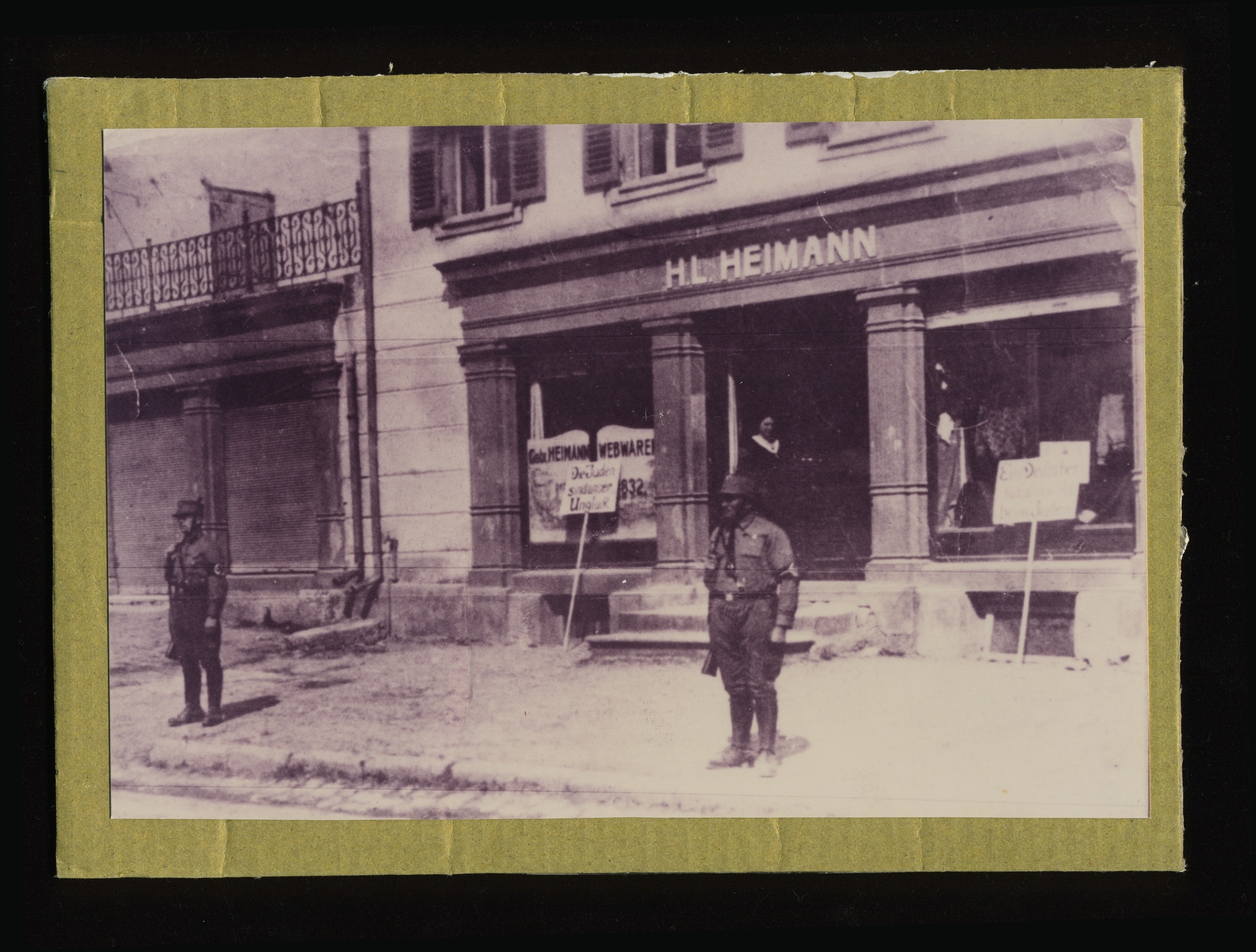
One of the earliest and most visible forms of this persecution was the systematic exclusion of Jews from economic and social life. The first Reich-wide organized boycott of Jewish shops, medical practices, and law firms took place on April 1, 1933. By publicly marking Jewish businesses for exclusion, the boycott formed part of the regime's broader efforts to marginalize Jews from economic and social life. The photograph shown here illustrates the local implementation of these measures in Oberdorf, Bopfingen: two SA men block the entrance to the Heimann family's department store beneath signs proclaiming “Jews are our misfortune” and “A German buys nothing from a Jew.” For the Heiman(n)'s, including Martin Udo's grandparents Urias and Clothilde, the boycott therefore struck at an enterprise that had been at the center of the family's economic life in Oberdorf for more than a century. Martin Udo's grandfather Urias had managed the original business in Oberdorf, while his sons, including David, became increasingly involved in its operation after the First World War. The Heiman(n)'s were thus directly affected by the regime's early campaign of exclusion. The consequences were immediate, threatening not only the family's economic livelihood but also the social and professional position they had built over generations. Yet the boycott was only an early stage in a rapidly escalating campaign of persecution. Within a year, discrimination and public intimidation had given way to direct physical violence against Jewish individuals and communities. For Nathan Rosenfelder, Martin Udo's uncle by marriage, this escalation became a personal threat in Gunzenhausen in March 1934, when the violence that had begun as a broader campaign of persecution reached his own home.
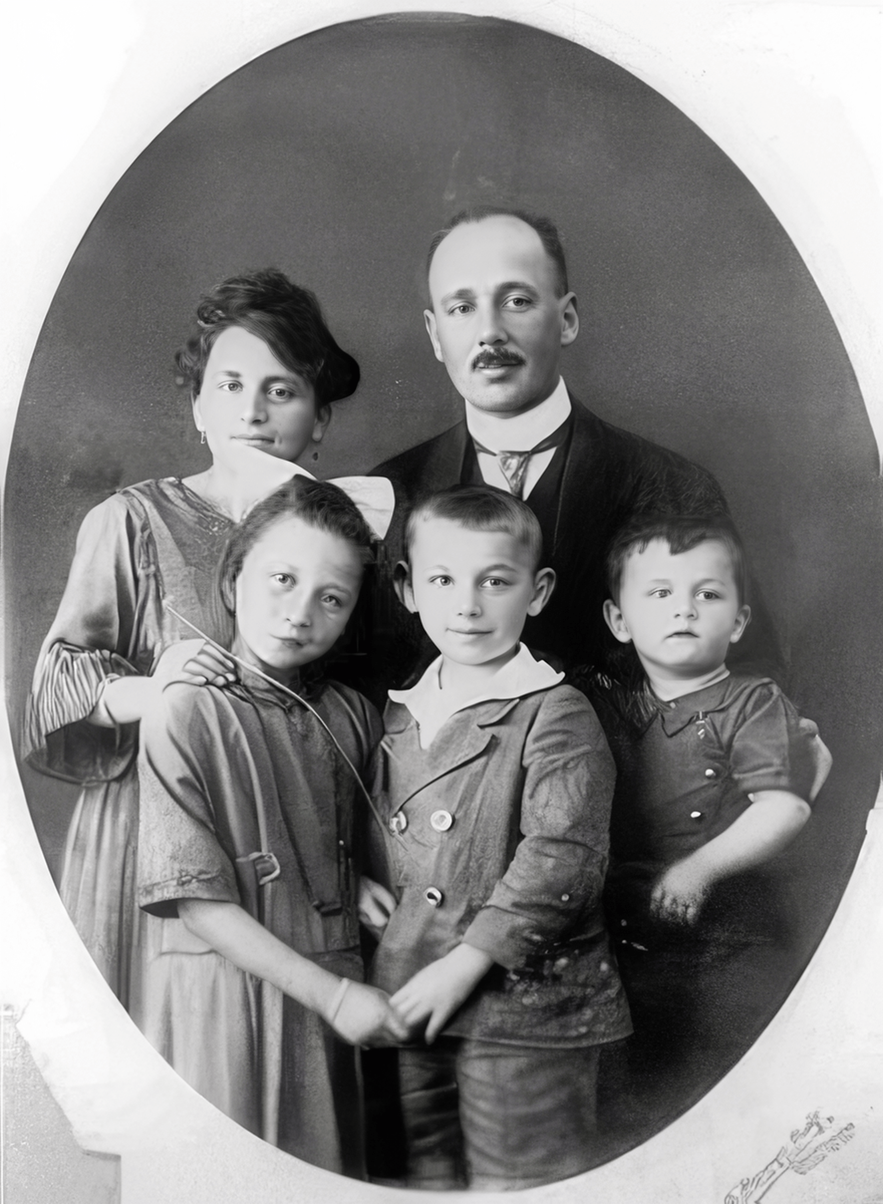
On 24 March 1934, the evening before the Gunzenhausen pogrom – known in German as Blutpalmsonntag (“Blood Palm Sunday”) – Nazis broke into Nathan Rosenfelder's house with the intention of killing him. The pogrom escalated further the following day and involved an estimated 1,000 to 1,500 participants in a town of around 5,600 inhabitants. Led by the SA, they raided Jewish homes, assaulted their occupants, and forcibly detained Jewish men and women; two Jewish men were killed. Nathan escaped to Stuttgart, where he contacted the American Consulate and reported the violence against Jews. He soon arranged for his daughter Herta to leave for New York, followed by other family members. There, Nathan and his brother Max eventually opened a textile shop that became the family’s economic lifeline in exile.
The violence in Gunzenhausen attracted international attention and prompted the Nazi authorities to initiate a trial in Ansbach, although the resulting sentences offered little meaningful protection to German Jews. The court infamously described the pogrom as reinigendes Gewitter (“cleansing thunderstorm”). Nathan's experience therefore provides an important link between the persecution of the family in Germany and the migration decisions being discussed in 1936. What had begun as economic and social exclusion had developed into physical violence, forced flight, and the search for safety abroad. By September 1936, the choice between Argentina and the United States was therefore inseparable from the family’s increasingly urgent search for safety and a viable future.
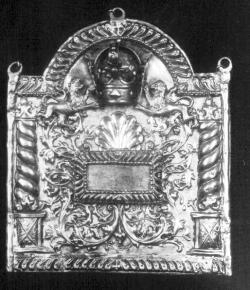
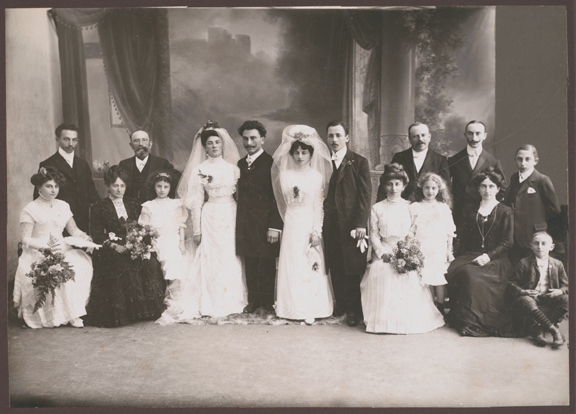
Martin Udo's initial resistance to emigration to the United States can be understood in the context of his family history and the strong social and religious ties that had shaped the family's life in Germany over generations. The Heimanns had been firmly rooted in Oberdorf's Jewish community, maintaining close connections to the town's social, economic, and religious life. During the nineteenth century, Oberdorf's Jewish community experienced significant economic and institutional growth, establishing the town as an important center of Jewish life in the region and fostering the emergence of numerous Jewish craft businesses and trading firms, including the Heimann family's textile business. The double wedding, photographed in 1909, provides a glimpse into the social world in which the family remained embedded in the early twentieth century. The carefully staged studio portrait, the formal dress, and the self-assured poses of the wedding parties and their relatives reflect the conventions of contemporary bourgeois self-representation and the social standing the families had established within their communities. The Heiman(n) family's connection to local Jewish life is also reflected in the donation of a Torah scroll to the synagogue in Oberdorf, commemorating the German victory in the Franco-Prussian War of 1870–71. The Rosenfelders, too, had longstanding ties to Jewish religious life. When Nathan and Selma moved from Nördlingen to Gunzenhausen in 1907, they brought with them a Torah breastplate dating to around 1680, which they later donated to the local synagogue.
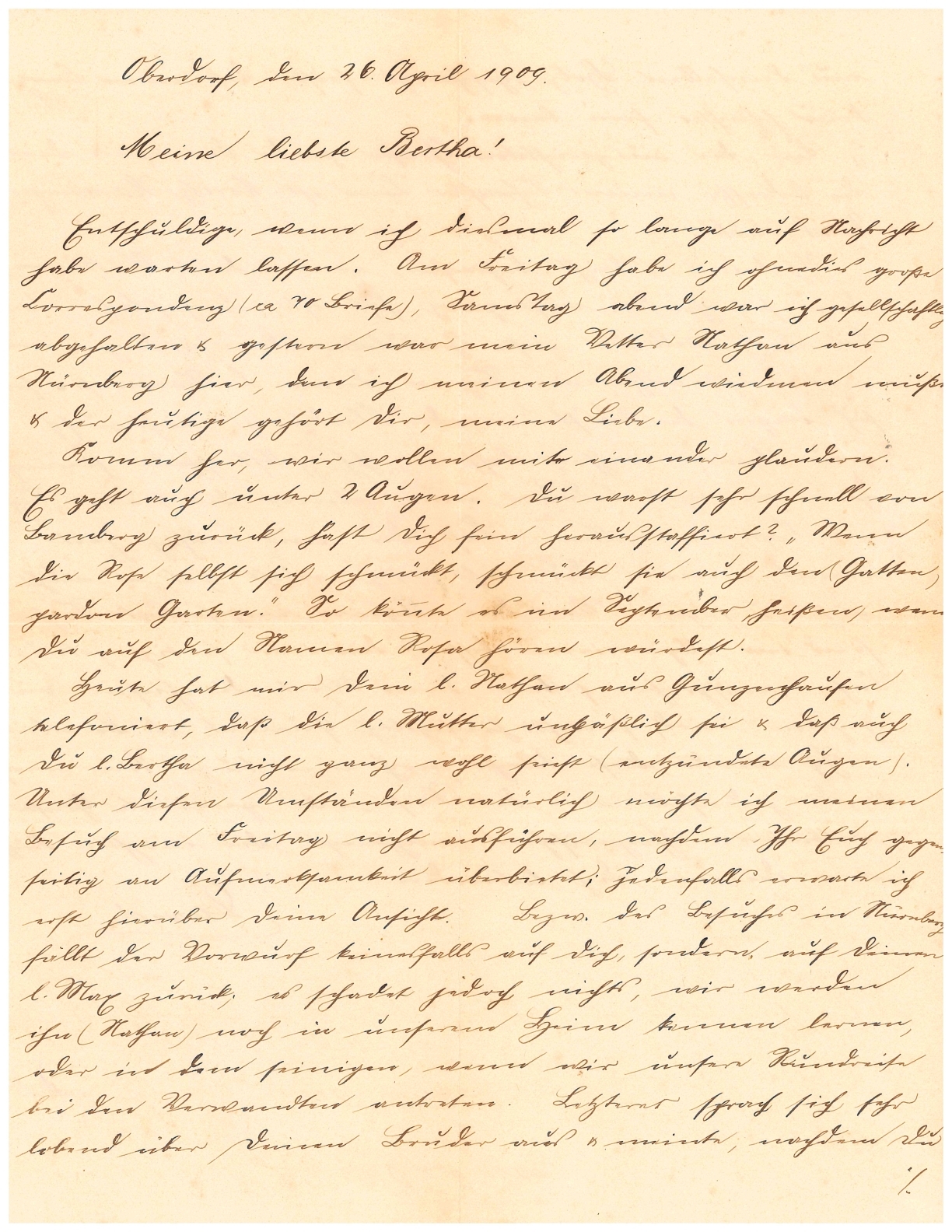
The family's attachment to this social and cultural world can also be traced in the correspondence between Martin Udo's parents, David Heimann and Bertha, in the months before their marriage in 1909. Preserved in the same collection as Martin Udo's 1936 letter, their correspondence offers a glimpse into the intellectual values that shaped the family a generation earlier. The letters do not mention America, nor should they be read as a direct anticipation of Martin Udo's later criticism of the United States. They do, however, reveal a conception of education, culture, and personal development that helps place his 1936 observations within a longer family history.
David's letters repeatedly distinguish between material prosperity and what he regarded as genuine “cultural achievement”. In a letter of May 18, 1909, he criticized what he perceived as the superficiality of the contemporary upper classes, arguing that expensive leisure and fashionable accomplishments were often mistaken for refinement. He similarly contrasted superficial language skills with what he called “the crown of female education: cultivation of the heart” (May 18, 1909). More revealing for the broader intellectual outlook expressed in the correspondence is his later assertion that the ultimate purpose of human development was not merely material self-interest. Writing on July 3, 1909, David described it as the duty of succeeding generations to continue building the “building” of cultural progress and to help pull forward the “cultivator cart” that, in his words, had been brought to such a height by “our intellectual heroes” (July 3, 1909). He placed the pursuit of truth, learning, and intellectual development at the center of this process, describing an “an energetic will to learn” as a fundamental condition of genuine education (July 3, 1909).
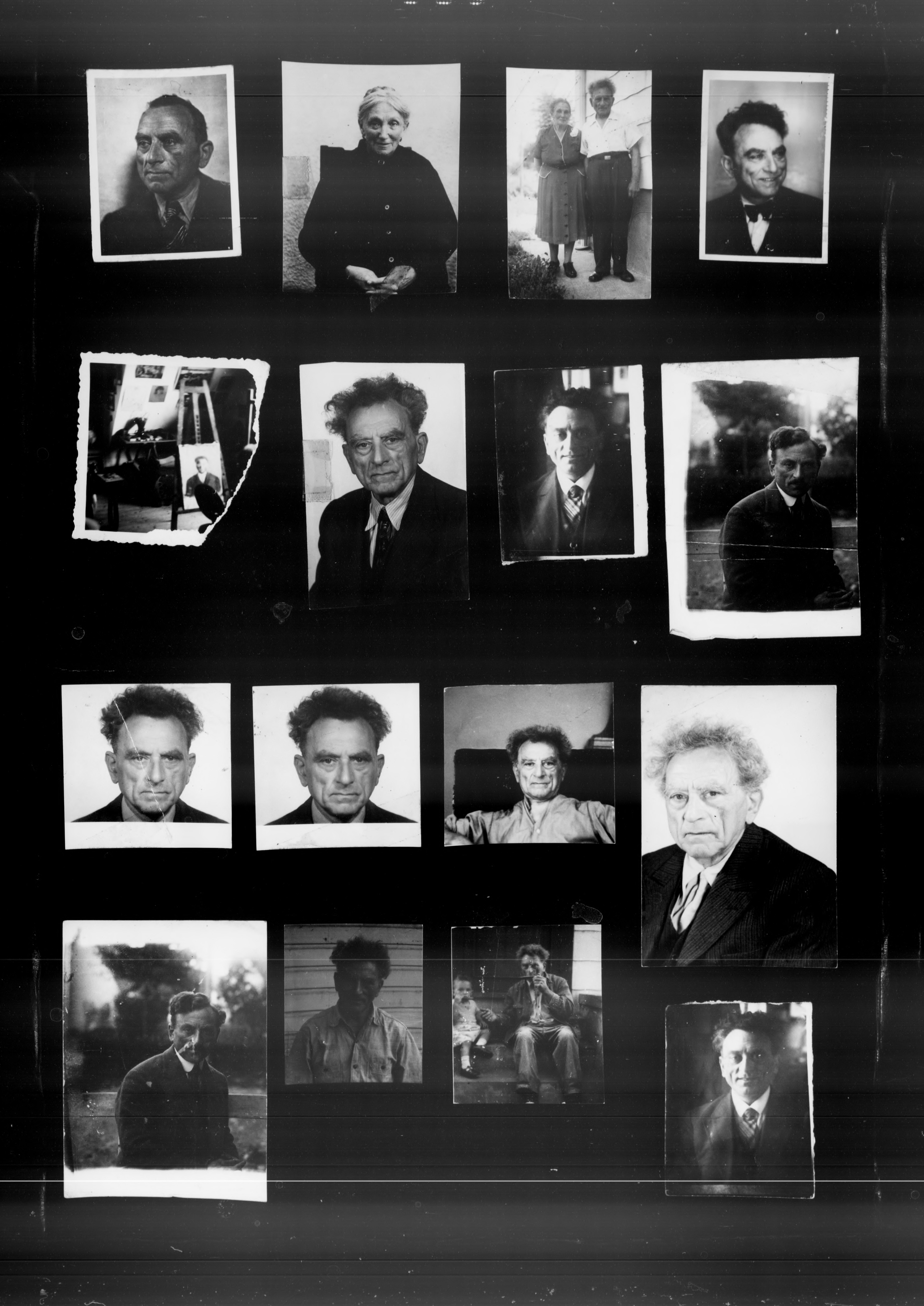
This intellectual outlook was also embedded in a specifically German cultural framework. David's references to Goethe, Schiller, and other German “intellectual heroes,” as well as his insistence that each generation should contribute to the continuation of cultural progress, point to a form of cultural patriotism characteristic of German Jewry in the Kaiserreich. His identification with German culture is expressed not exclusively through military or imperial language, but through an emphasis on intellectual achievement, cultural continuity, and the responsibility to preserve and advance what he regarded as Germany's cultural inheritance. This framework is relevant to the question of America precisely because the letters themselves never mention the United States. David's disdain for the “Parvenü” (July 3, 1909) and for a culture in which money could substitute for genuine knowledge belongs, however, to a broader contemporary vocabulary in which materialism, commercialism, social display, and superficial education could be associated with an 'American' form of modernity. The correspondence therefore does not provide evidence of an explicit anti-American attitude on David's part. It does, however, reveal that the cultural categories through which material prosperity could be measured against intellectual and inner cultivation were already firmly established within the family's intellectual world before the First World War. In this sense, they formed part of a broader cultural inheritance that would remain relevant to the way Martin Udo later interpreted the social world around him.
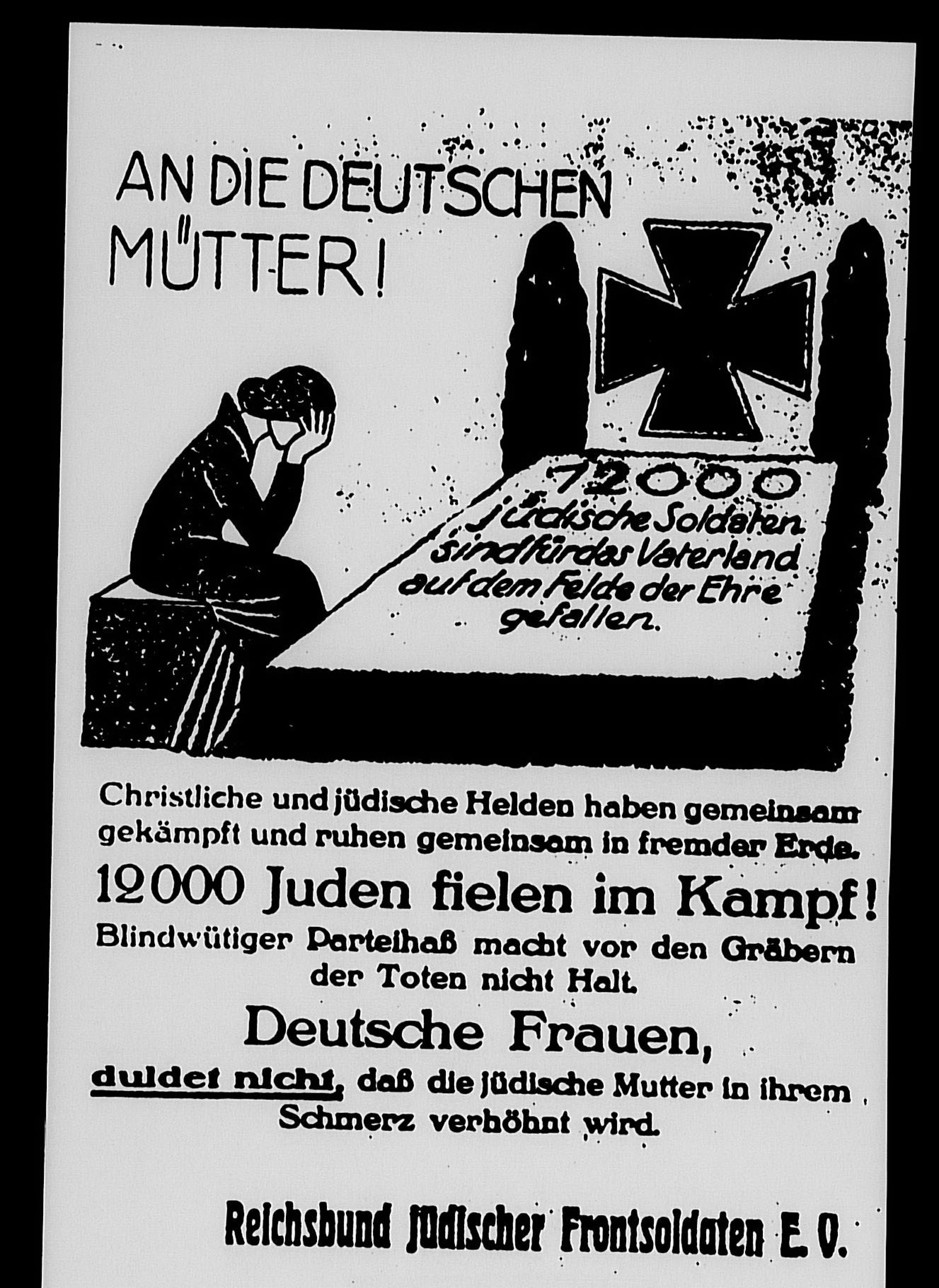
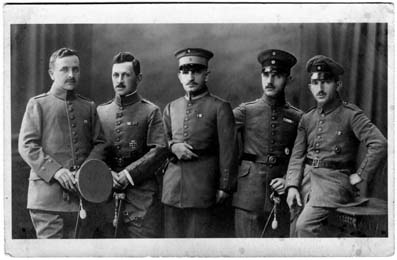
The generation before Martin Udo had grown up in a world where Jewish and German identities were not necessarily seen as contradictory. Over the course of the nineteenth century, legal emancipation and increasing social, economic, and cultural integration enabled many German Jews to reconcile their Jewish cultural affiliation with their German national identity, seeing themselves as German citizens of the Jewish faith. The First World War lent particular significance to the question of whether Jewish Germans belonged to the German nation. The service of more than 100,000 Jewish men in the German army, including some 12,000 who were killed, became a telling expression of this identification with Germany. Nazi persecution fundamentally challenged these established understandings. Jews were increasingly excluded from the German national community regardless of their citizenship, patriotism, or military service, while Nazi ideology denied that cultural assimilation, social integration, or civic loyalty could make Jews German in the eyes of the state.
Against this backdrop, Martin Udo's response to Nathan's proposal of emigration to the United States can be understood within the longer history of his family's social and cultural identification with Germany. His initial rejection of the proposal suggests that the world in which he had been raised – one in which German education, intellectual cultivation, and established forms of social and cultural belonging were deeply valued – remained significant to his understanding of his future, even as Nazi persecution was making life in Germany increasingly untenable. His response thus came at a moment of profound historical rupture: the Nazi regime was systematically dismantling the legal, social, and political foundations of the world to which the Heiman(n) family had belonged and denying Jews the very forms of German belonging that had shaped their identities for generations.
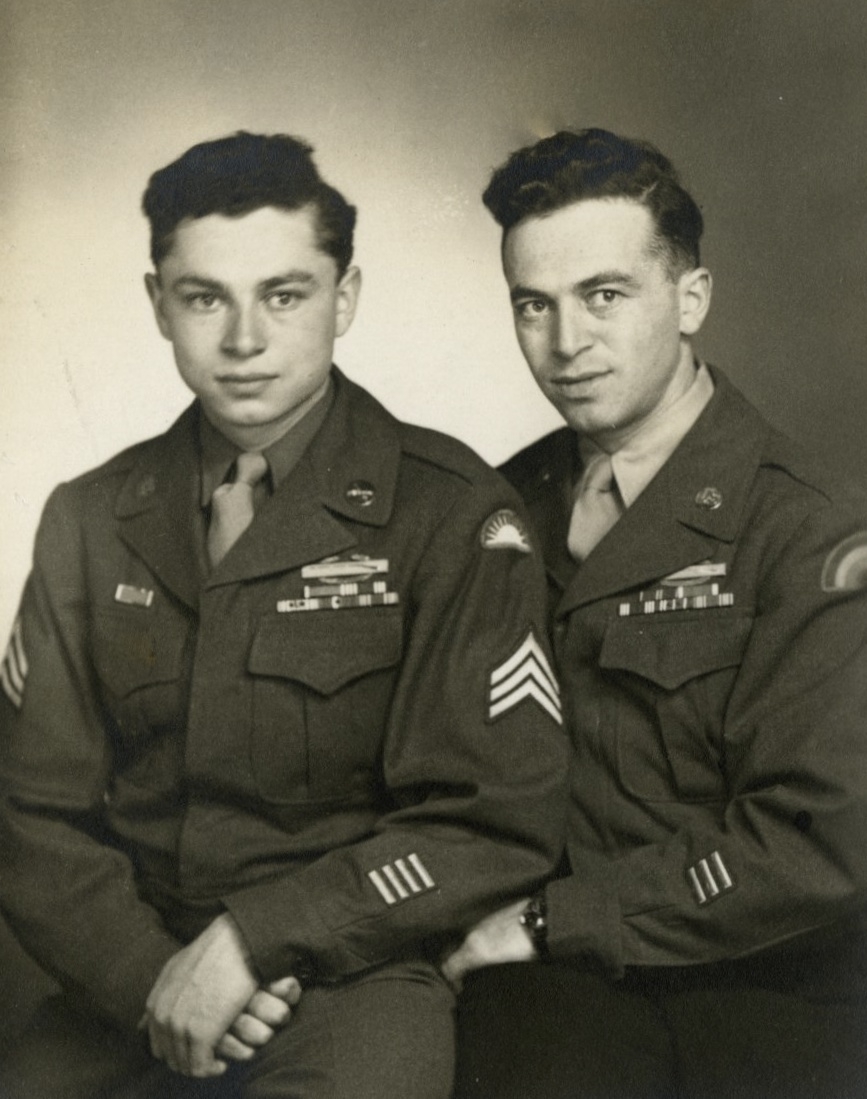
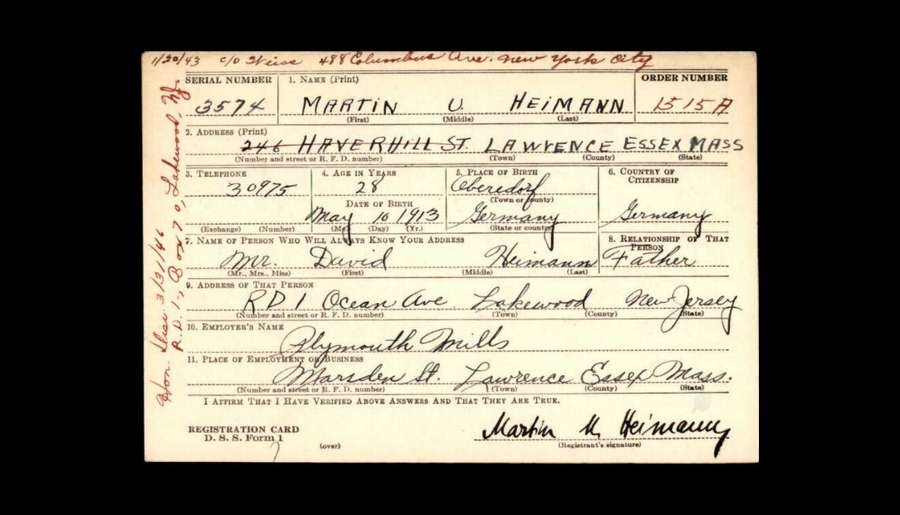
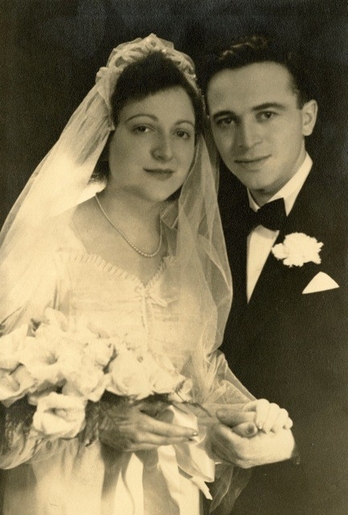
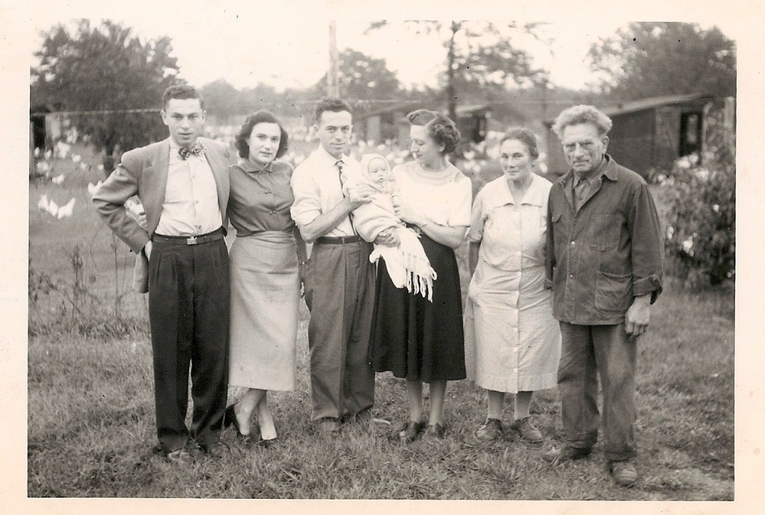
Martin Udo's subsequent life took him along a path that differed markedly from the possibilities he had weighed in 1936. Although the United States was among the destinations his family was considering, he chose Argentina, perhaps influenced in part by a girlfriend living there. He emigrated in 1937 and remained in Argentina for four years, even after that relationship had ended. In 1941, he moved to the United States, joining his parents and younger brother Karl in New Jersey, where his father David and uncle Herman(n) had established an egg farm and lived next door to one another. His new life in America was soon shaped by the war he had left behind in Europe. After being drafted into the U.S. Army, Martin Udo served as an interrogator of captured Nazi officers. After the war, he remained in the United States and began building the family life that had once seemed so uncertain. In 1947, he married Ruth, his second cousin, who had herself escaped Germany for England on the Kindertransport. Together they had two children, Michael and Diane. Martin Udo died in his eighty-fourth year, having built a life far removed from the uncertainty that had surrounded his family in Germany. Like so many members of the Heiman(n) family, his story was shaped by decisions made under extraordinary circumstances, as he and his relatives had to determine whether to remain, where to go, and how to begin again. What began as an uncertain search for a place where Martin Udo could build a future eventually became a new life in America, where he raised a family and served the country that became his adopted home.