Alfred and Kitty Neumann
A literary life in exile
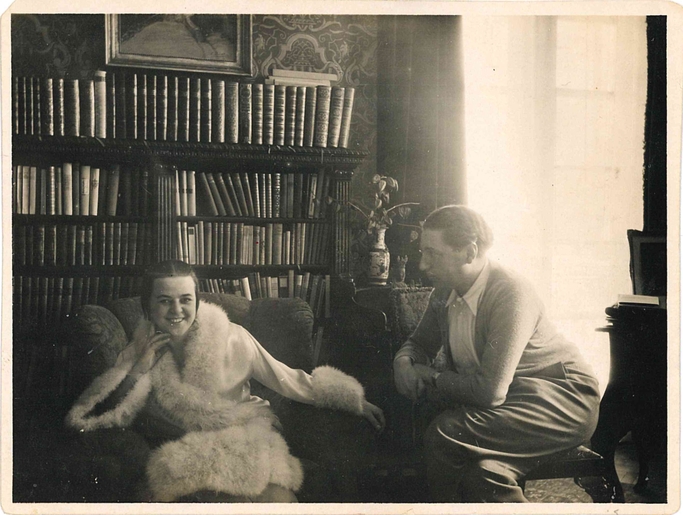
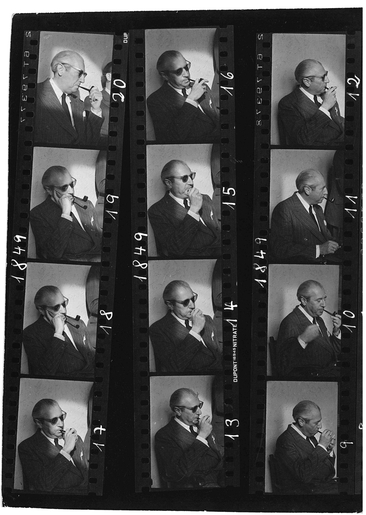
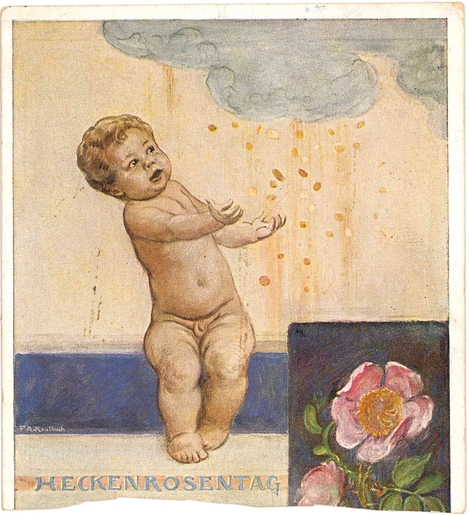
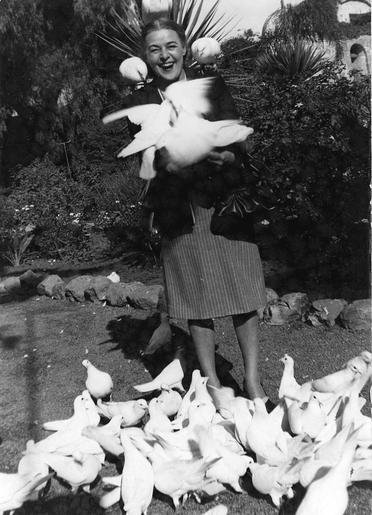
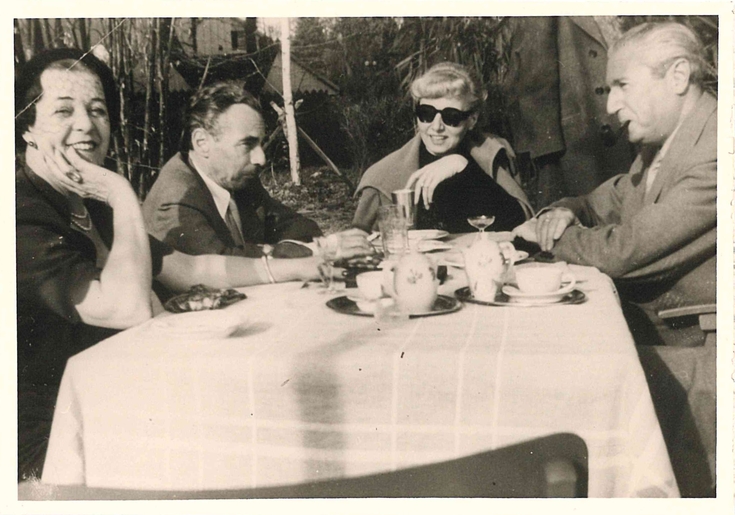
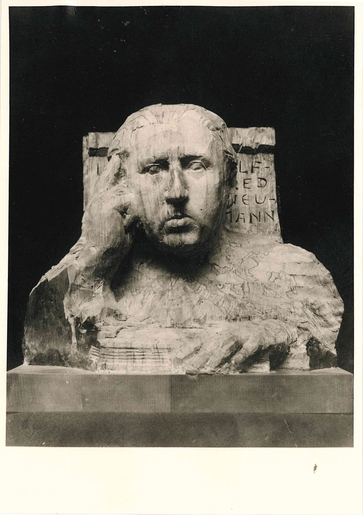
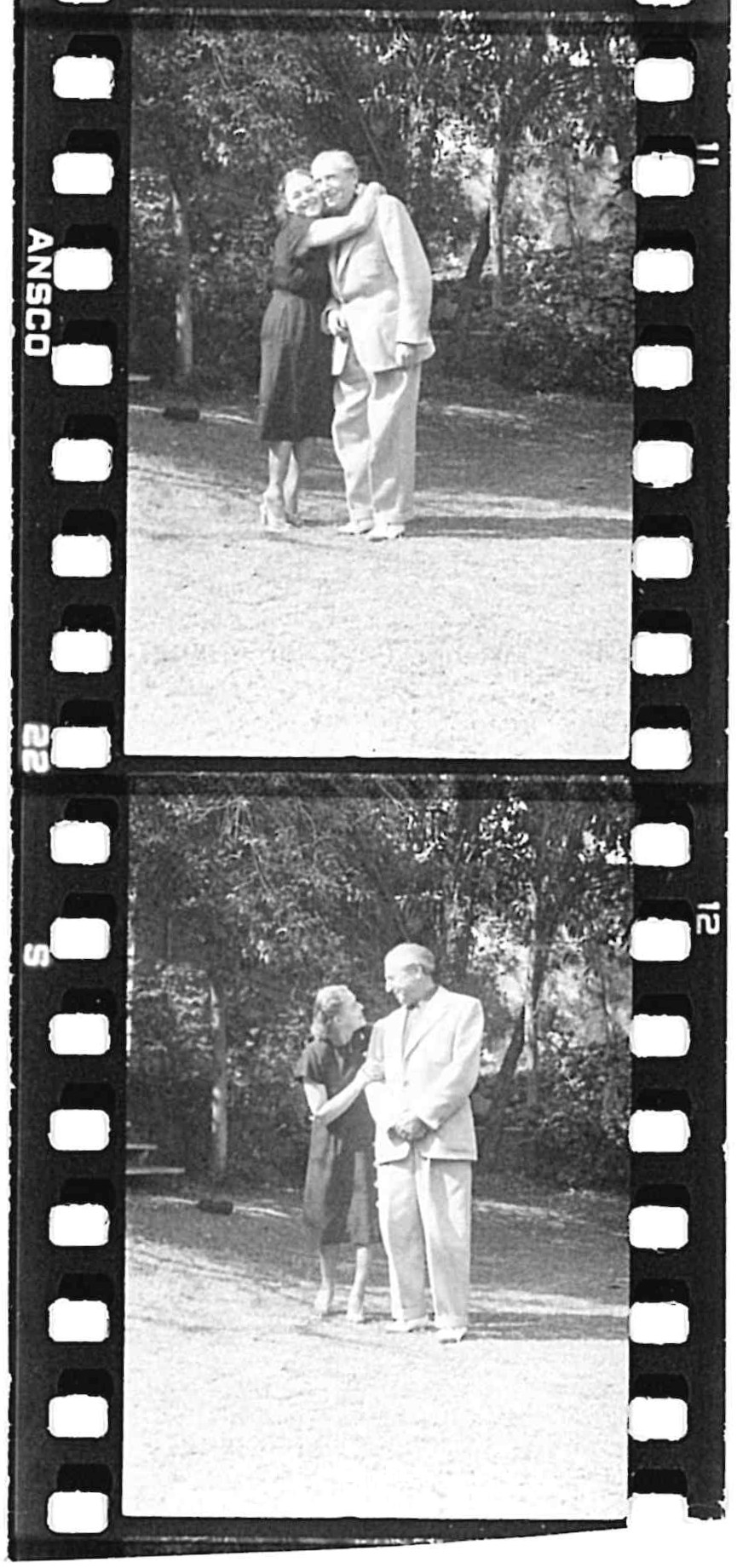
Alfred Neumann was an acclaimed German-Jewish writer and poet during his time, although his name has fallen somewhat into obscurity today. Part of the literary generation that came of age between the cataclysms of the world wars, his meditations on good, evil, and the corruption of power brought him renown in the literary and film world. Best known for his German-language historical novels and Hollywood screenplays, Alfred Neumann was a poet, playwright, novelist, screenwriter, translator, and occasional journalist. The recently processed Alfred and Kitty Neumann collection at the Leo Baeck Institute not only showcases the work of an author whose literary themes are of enduring relevance but also documents the life-long romance between Alfred and his devoted wife Katharina (Kitty), and their escape from Fascist Italy to France, and then the United States.
Alfred Neumann was born in 1895 in Lautenburg, West Prussia (currently Lidzbark, Poland), the son of a timber industrialist. Like many other young middle class German-speaking Jews around the turn of the century, Alfred took an interest in poetry and literature rather than continuing the family business. After graduating high school, he studied art and literature in Munich. There Alfred grew close to the publisher George Müller, who became his friend and mentor. Alfred’s first collection of poetry was published through Müller’s publishing company Müller-Verlag in 1917.
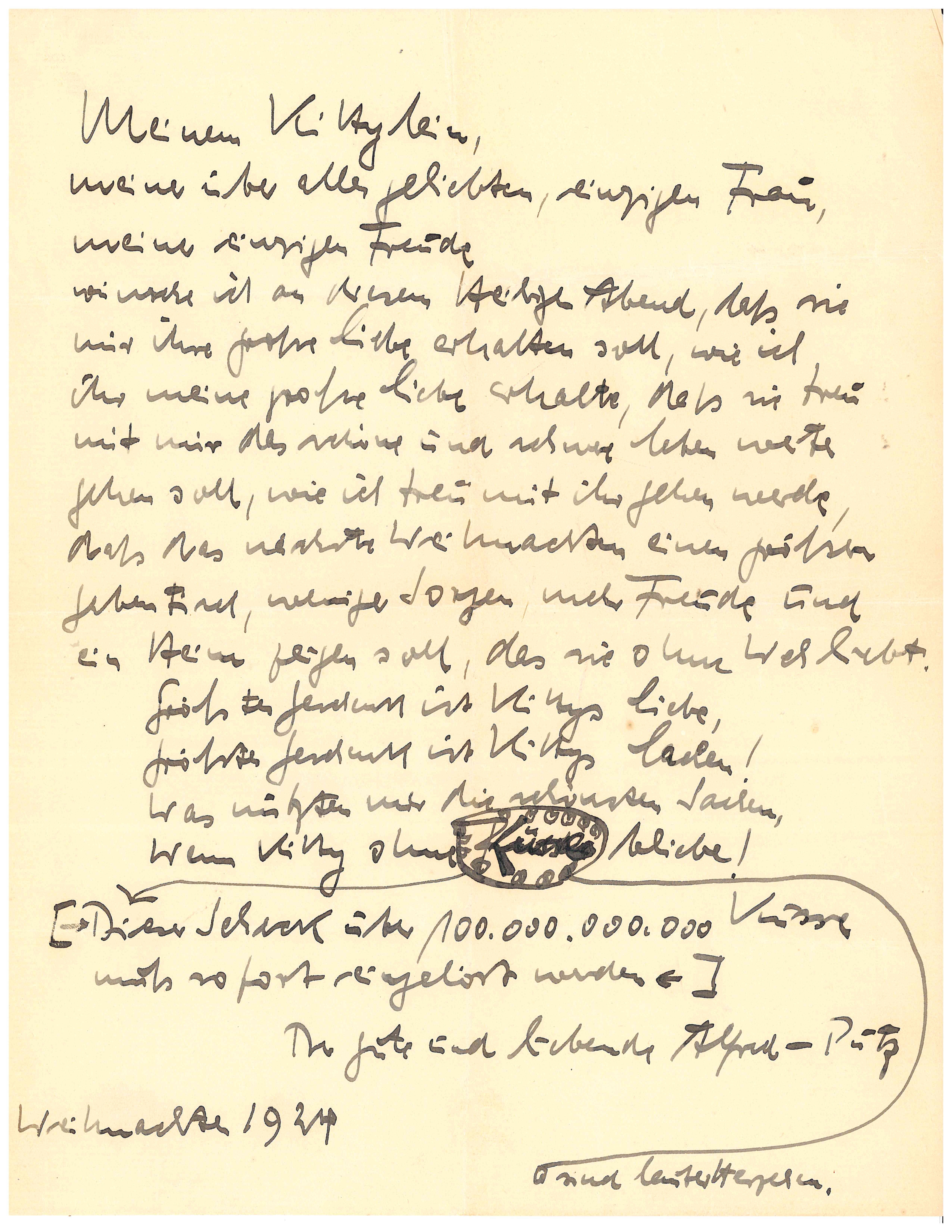
Following a brief marriage to a Swiss dancer and subsequent divorce, Alfred courted George Müller’s adopted daughter, Kitty Schatzberger-Müller. A poet by trade, Alfred wrote romantic poems for her in their correspondence from their early relationship and marriage. Throughout the 1920s, Alfred published multiple successful novels and plays, including his first historical novel The Devil [Der Teufel], which critics described as a “highly sophisticated melodrama.” During this time, Alfred and Kitty split their time living in Fiesole, Italy, and Munich, Germany, where they were neighbors and friends with Thomas Mann and his wife Katia.
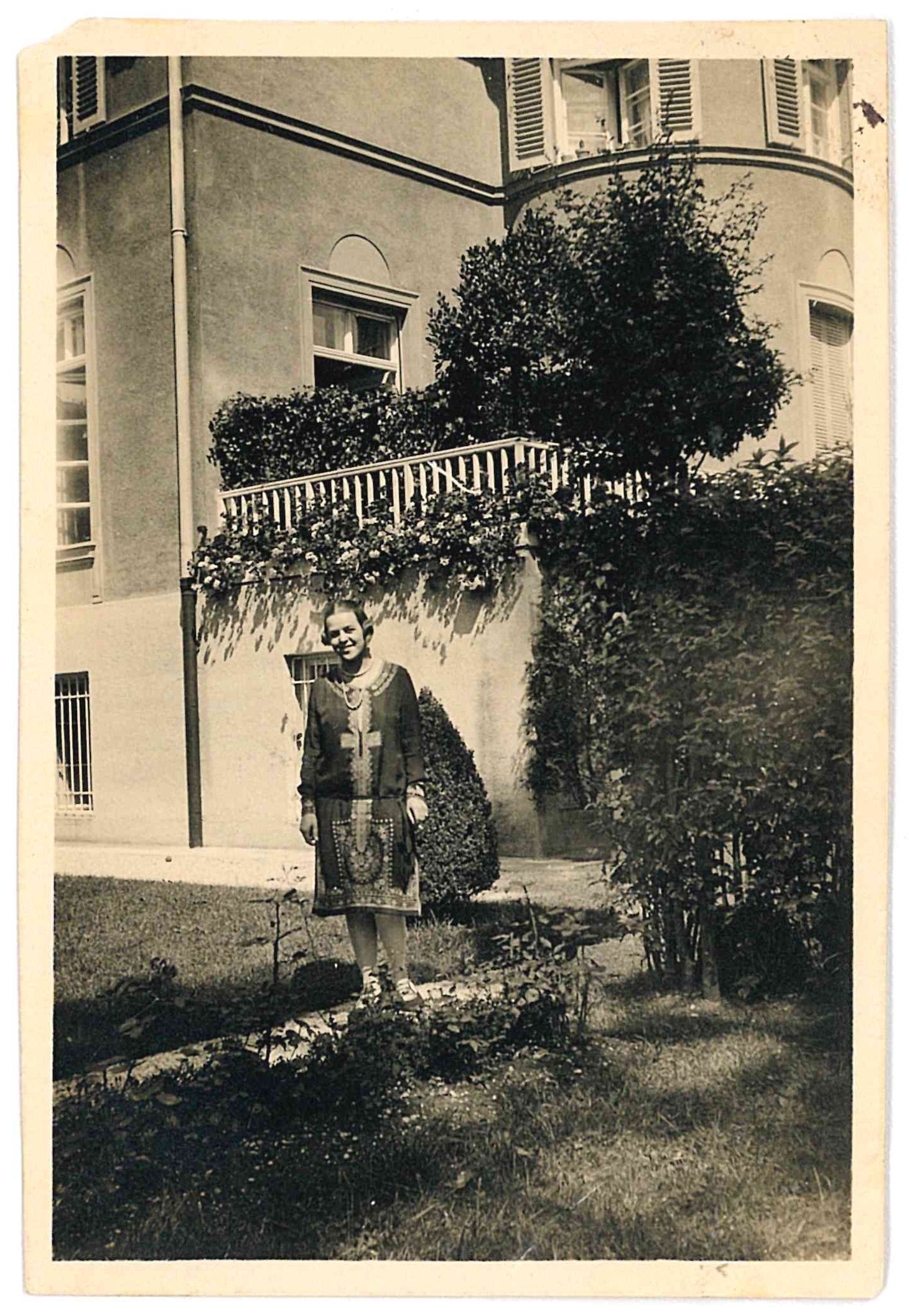
The growth of the Nazi Party spelled out trouble for Alfred even before they seized power. In 1930, Alfred published another historical novel Der Held [The Hero], an allegory for the assassination of Jewish politician Walter Rathenau, which had taken place only eight years prior. His critical depiction of nationalism caused Nazis to target him, and he left Munich for Italy in 1931. After 1933, his work was banned in Nazi Germany, and his remaining property was seized due to his Jewish heritage.
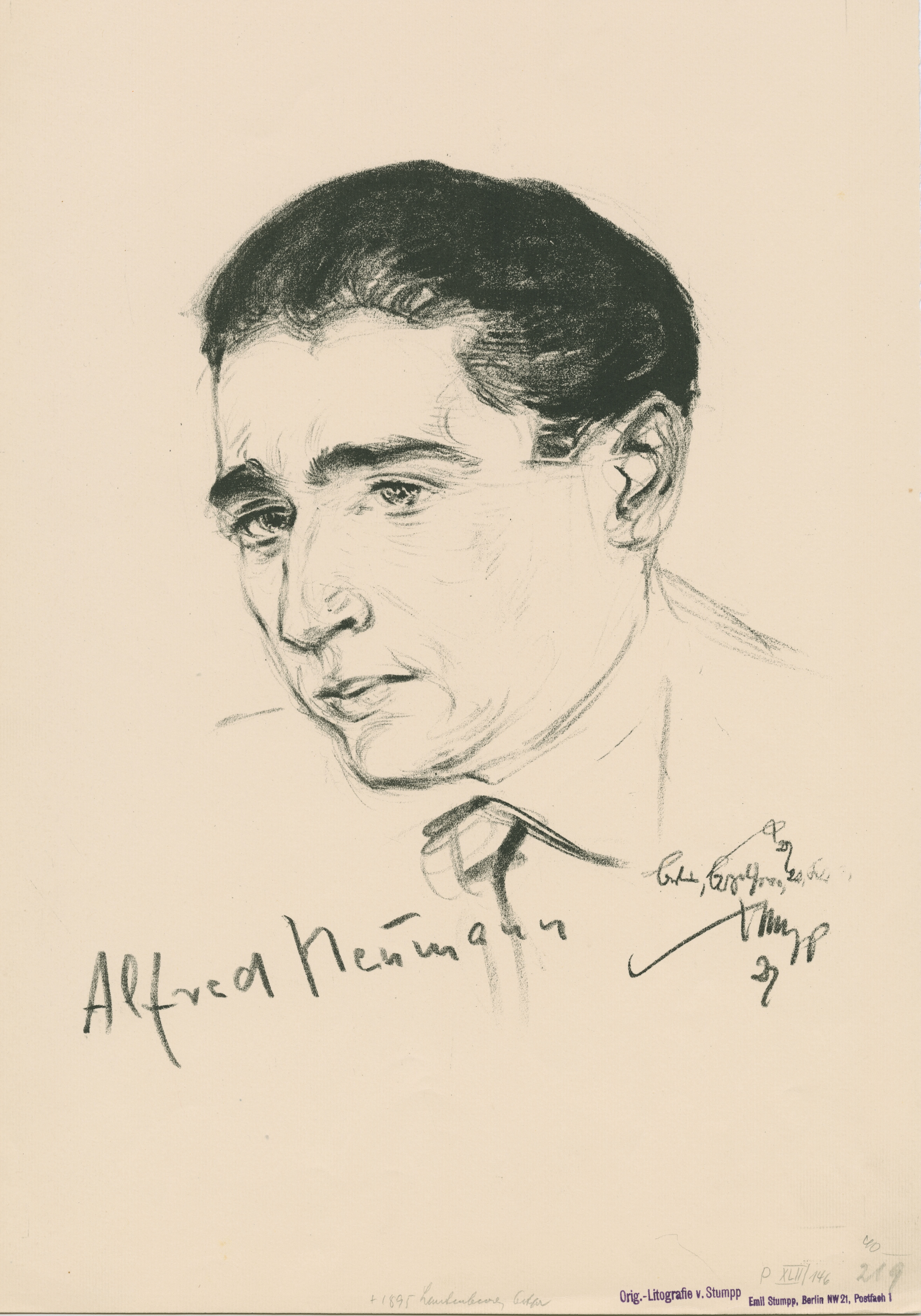
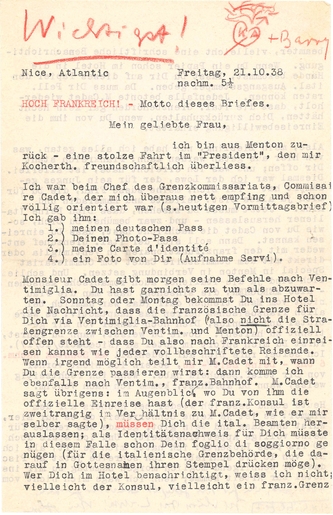
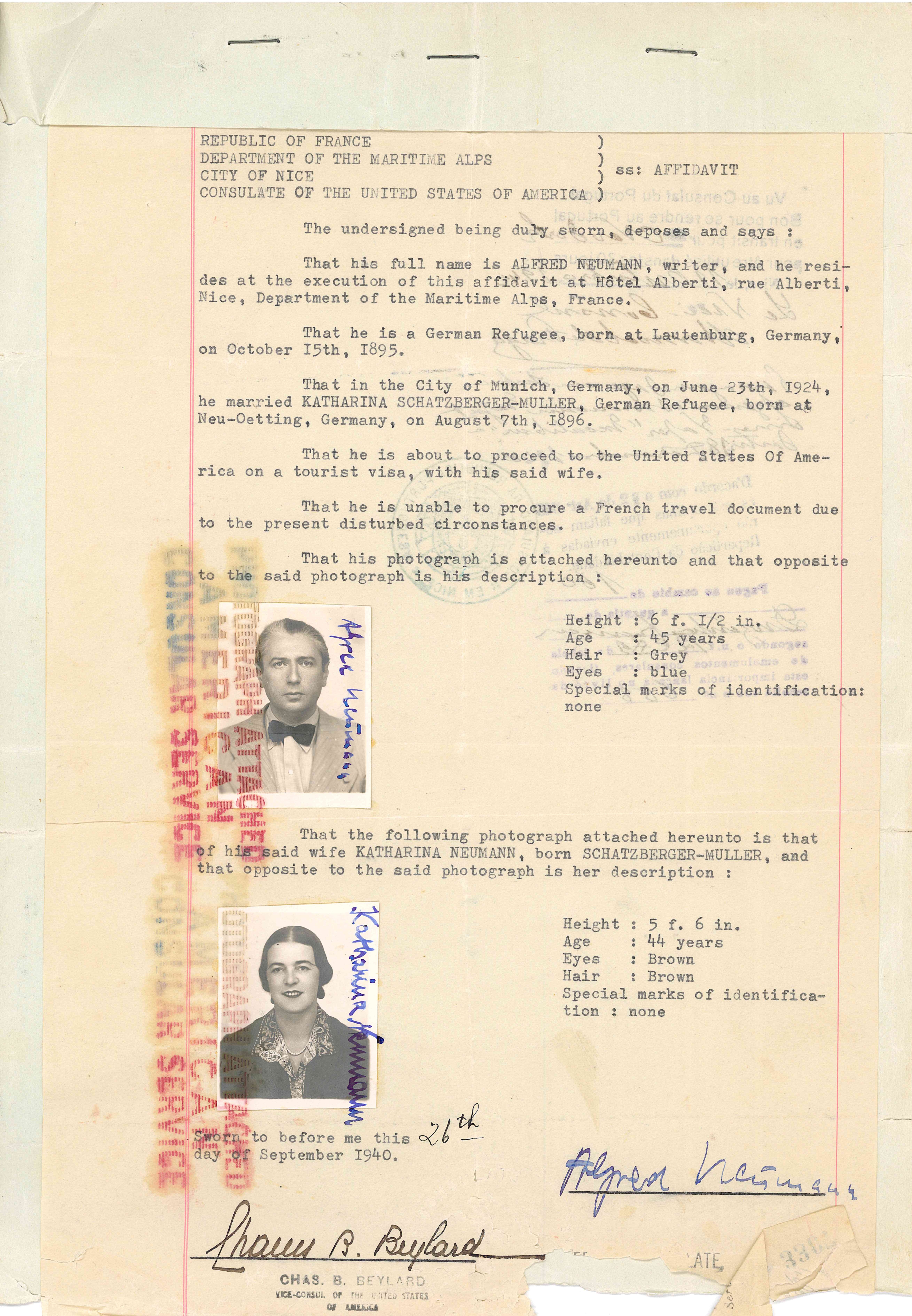
Alfred and Kitty remained in Italy until 1938, when Mussolini’s implementation of race laws and threats from the Nazis forced Alfred to flee across the border to (then neutral) France. Arriving in France on September 2, Alfred remarked on the tolerance of the people, writing in a letter to Kitty, "It's like another continent – it's just democracy!" Although Kitty was meant to join Alfred only days after his departure, problems with immigration authorities and paperwork delayed her for nearly two months. Anxiously waiting for her arrival, Alfred wrote to her frequently in a series of romantic yet nervous letters. This correspondence offers a window into their relationship and shows their devotion to each other, a devotion Alfred wrote would only grow over time. Still waiting for Kitty on September 24, Alfred comforted her in a letter and described his state without her, writing "And besides, my poor beloved wife, I am as close to you, forever and ever– as you are to me, and I’ve been living here like a monk or a mad hermit.” [Und sonst, mein geliebtes armes Weib, ich bin Dir so nahe, immer und immer, wie Du mir, und ich habe hier gelebt wie ein Mönch oder wie ein verrückter Einsiedler.]
Another letter dated October 21, 1938 reads: “My dear little one, my love for you is already a little bit manic: I could storm whole borders for you– and in a certain sense, I already am.” [Kerlchen, meine Liebe zu Dir ist schon ein bisschen manisch: ich könnte ganze Grenzen für Dich erstürmen – und tue es ja auch in gewissen Sinne.]
Luckily, by the end of October Kitty had safely arrived in Nice, and the couple was reunited.
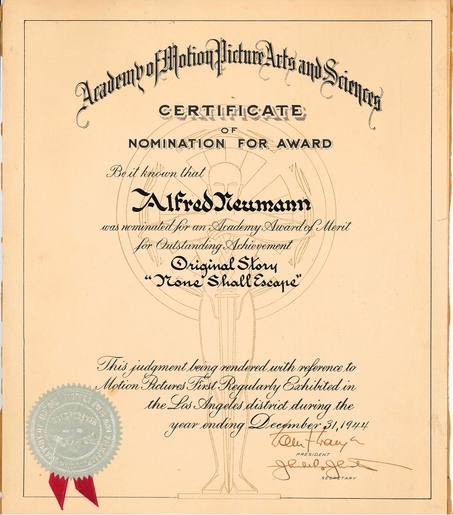
Alfred and Kitty remained in France until the start of the German occupation in 1941, when they were able to escape to the United States through a private American rescue operation. They moved to Los Angeles, California, where Alfred worked as a screenwriter on many popular Hollywood films including None Shall Escape (1944), widely considered to be the first feature film addressing Nazi atrocities. He adapted his novel Der Patriot (1924) into a play and later a screenplay, which won an Academy Award. Despite having worked with the US Office of War Information at the end of the Second World War to broadcast anti-fascist messages to the German public, Alfred, like many other German-Jewish émigrés, was accused of having communist ties during the Red Scare. Affidavits of support from fellow authors and screenwriters cleared his name, and he and Kitty became US citizens.
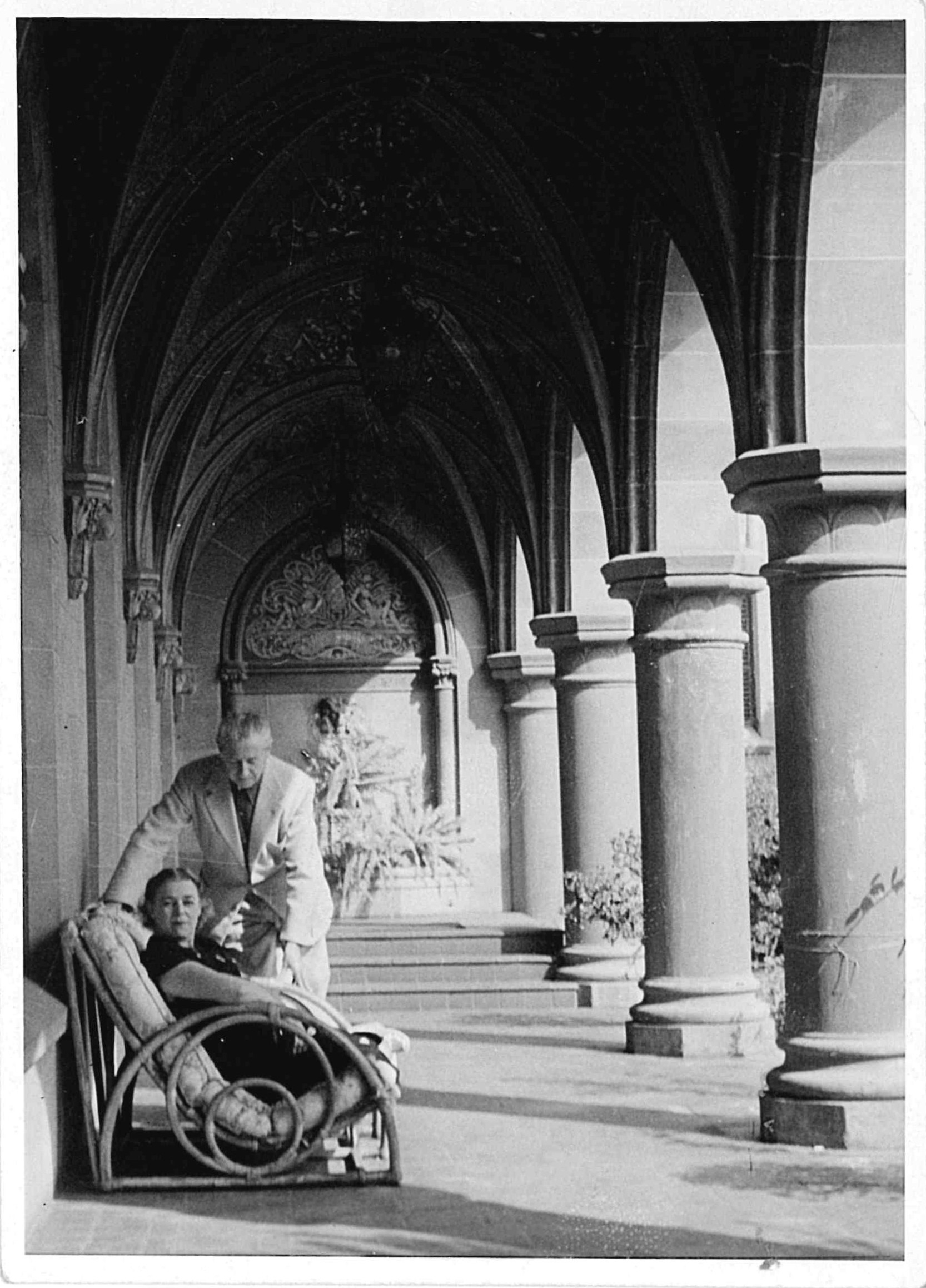
Post-war, Alfred returned to Europe, but not to Germany. In 1949, Alfred and Kitty left the United States, living in Lugano, Switzerland until Alfred’s death from a heart attack in 1952. For decades after his death, Kitty faithfully managed Alfred’s estate and the publishing rights to his work, and kept the letters, photographs, and writings that now make up this collection. Many of his stories were adapted for European radio broadcast, and his plays and works translated into multiple languages. Although his work is less well known today, it is no less relevant.
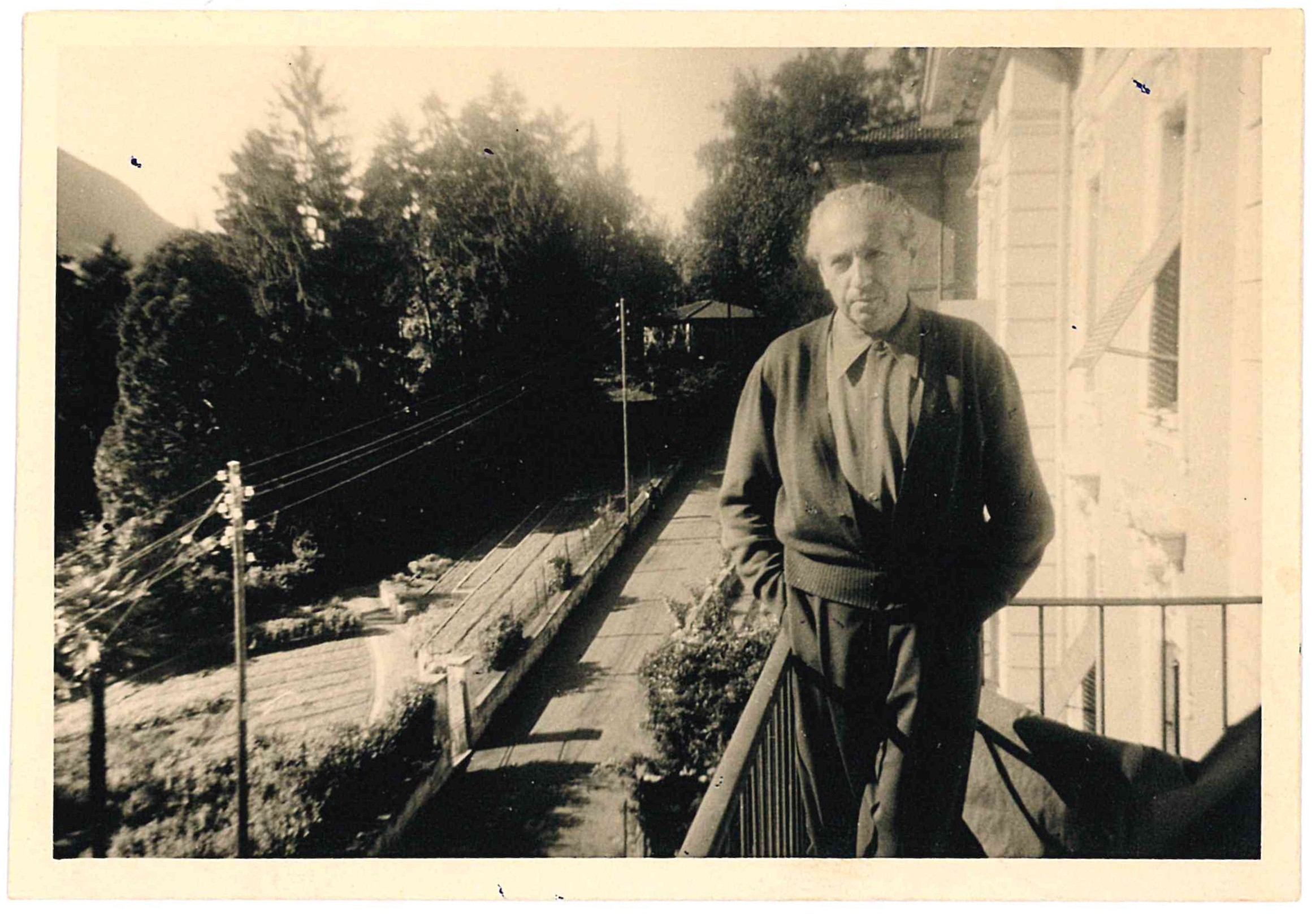
Along with the recently acquired Alfred and Kitty Neumann Collection, the Leo Baeck Institute holds fourteen rare books by Alfred Neumann in the LBI Library and a portrait in the LBI Arts and Objects collection. The Leo Baeck Institute additionally holds the Alfred Neumann Collection, an additional portrait, and many other writings by Alfred Neumann in the LBI Library, including published correspondence between Alfred Neumann and Thomas Mann.