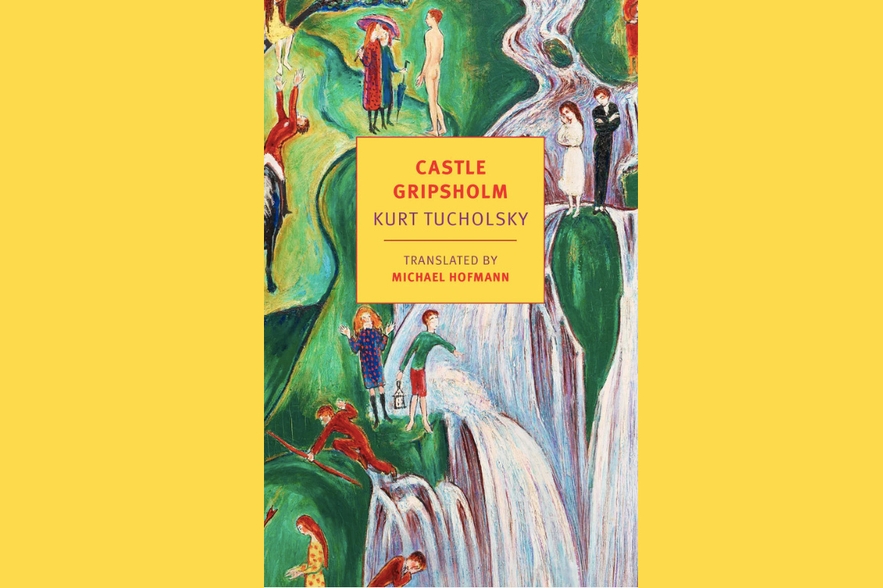
Book Club: Castle Gripsholm
with Mikael Olsson Berggren
- Tag/Uhrzeit
- –
- Format
- Online
- Eintritt
- Allgemein: Kostenlos
Castle Gripsholm, the best and most beloved work by Kurt Tucholsky, is a short novel about an enchanted summer holiday. It begins with an assignment: Tucholsky’s publisher wants him to write something light and funny, otherwise about whatever Tucholsky wants. A deal is struck and the story is off: about Peter, a writer; his girlfriend, known as the Princess; and a summer vacation far from the hurly-burly of Berlin. Peter and the Princess have rented a small house attached to a historic castle in Sweden, and they have five weeks of long days and white nights at their disposal; five weeks for swimming and walking and sex and talking and visits with Peter’s buddy Karlchen and with Billie, the Princess’s best friend. It is perfect, until they meet a weeping girl fleeing the cruel headmistress of a home for children. The vacationers decide they must free the girl and send her back to her mother in Switzerland, which brings about an encounter with authority that casts a worrying shadow over their radiant summer idyll. Soon they must return to Germany. What kind of fairy tale are they living in?
(New York Review of Books).
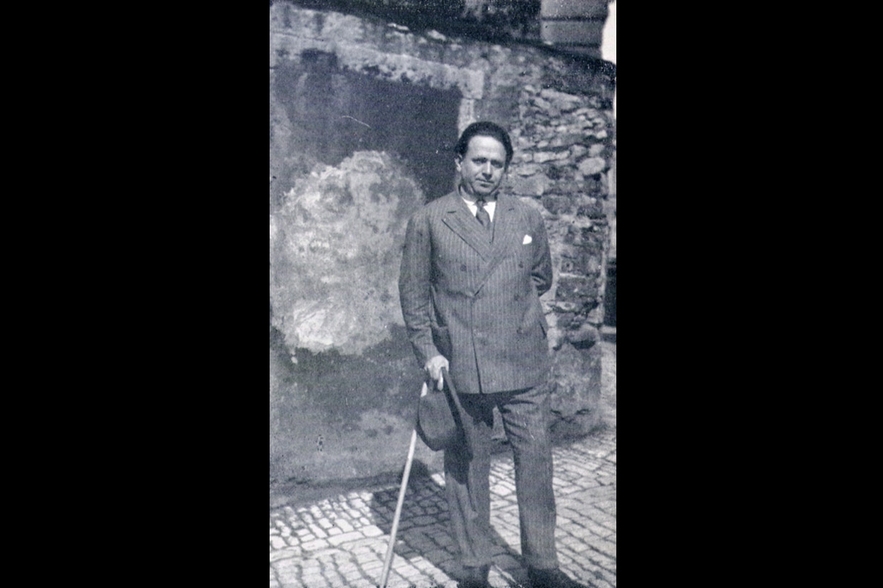
Kurt Tucholsky
Kurt Tucholsky was a German journalist, satirist, and writer. He also wrote under the pseudonyms Kaspar Hauser (after the historical figure), Peter Panter, Theobald Tiger and Ignaz Wrobel.
A politically engaged journalist and temporary co-editor of the weekly magazine Die Weltbühne, he was also a satirist, an author of satirical political revues, a songwriter, and a poet. He saw himself as a left-wing democrat and pacifist and warned against anti-democratic tendencies — above all in politics and the military — and the threat of Nazism. His fears were confirmed when the Nazis came to power in January 1933. In May of that year he was among the authors whose works were banned as "un-German" and burned; he was also among the first authors and intellectuals whose German citizenship was revoked.
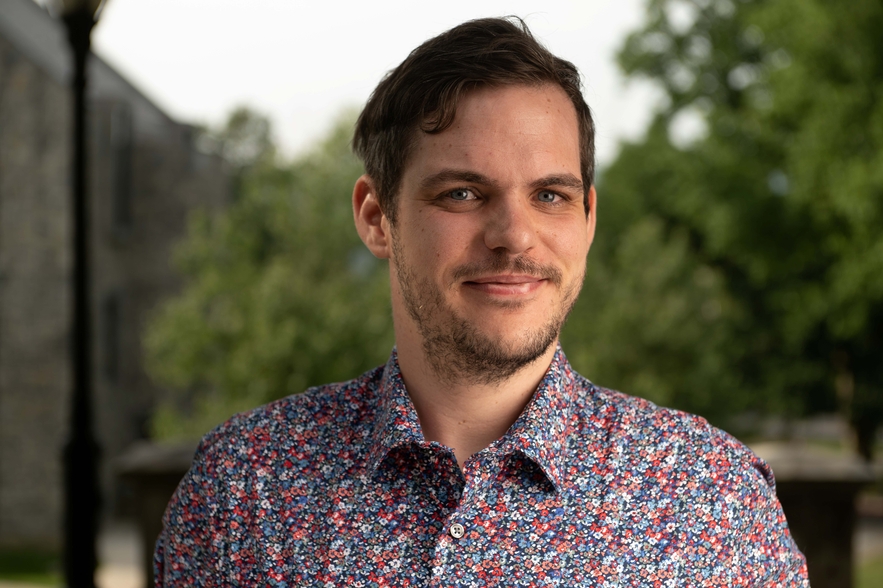
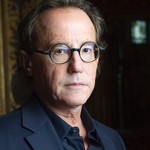
Our Guest, Visiting Assistant Professor Mikael Olsson Berggren
Mikael Olsson Berggren is Visiting Assistant Professor of German in the Department of Languages and Literary Studies at Lafayette College. He received his Ph.D. from Washington University in St. Louis in 2022. Dr. Berggren’s research focuses on the history and cultural representations of transportation networks, and his work has appeared in The German Quarterly, The Journal of Transport History, and Holocaust and Genocide Studies. In 2024, he received the Max Kade Prize for best article published in The German Quarterly for an article exploring representations of Berlin’s underground metro system in Weimar-era Berlin, including work by Kurt Tucholsky. His other research interests include co-curricular pedagogy, the intersections of poetry and short prose, and the ways in which literature and film engage with Holocaust memory beyond documentary representation.